Sensory Corner: How to Create a Simple Space at Home
Creating a simple sensory corner at home is a wonderful way to help your child learn through play. Sensory play is not just a trend — it engages your toddler´s senses and makes learning fun.
In this article, I’ll show you how to set up an inviting, safe space using everyday items — perfect for your little one’s happy spot.
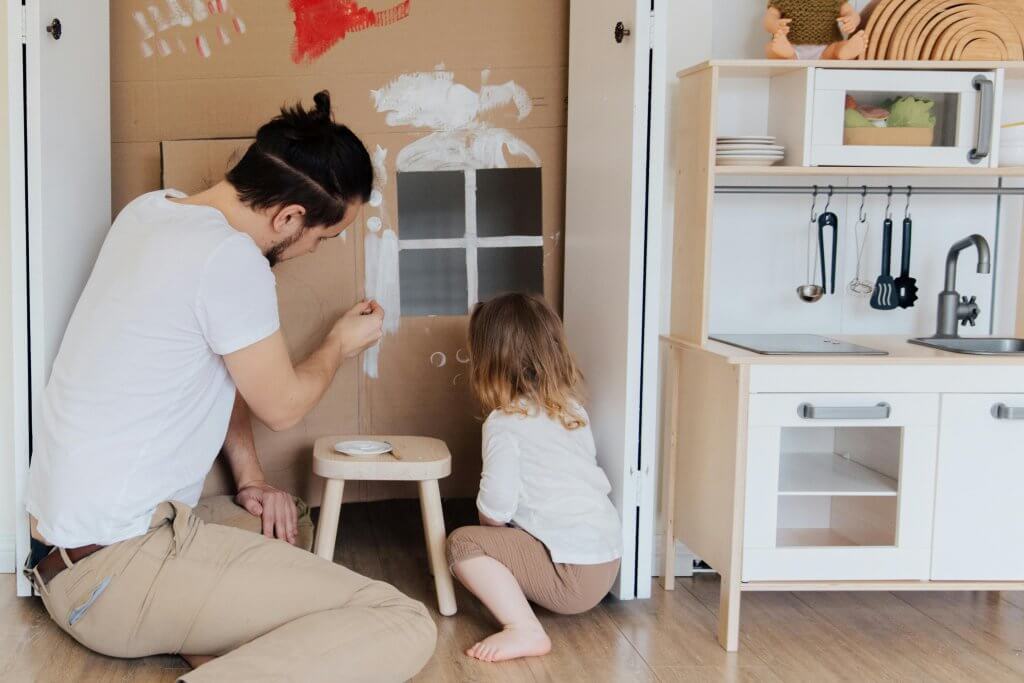
What Is a Sensory Corner?
A sensory corner is a small, safe and friendly area of your home created especially for sensory play.
This can be a shelf, a section of a room, or just a box filled with items that stimulate your child’s senses of movement, touch, sight, sound, and smell.
Having a dedicated spot makes everything easy: the supplies are always close at hand, your little one can explore, play, and learn — and you might discover something new with them!
For a more detailed overview of the benefits of a sensory corner, you may find this article from Experia helpful.
What You’ll Need
- Small tray or container to keep sensory items
- Bins to keep supplies organised
- Everyday items such as cotton balls, sponges, playdough, dry pasta, water toys, and textured textiles
- A small mat or blanket to keep the space tidy
Tip: To keep your toddler engaged, maintain a few sensory bins with various themes or textures that you can switch up on a regular basis.
How to Set Up Your Sensory Corner
1. Pick a Safe and Accessible Spot
Choose a corner or shelf that’s easy for your toddler to reach safely. Make sure that the space is safe and suitable for standing or sitting.
2. Arrange your resources
Put sensory bins (or trays) on the floor or low shelf. Sort comparable things together; for instance, keep dry goods like pasta or rice in one bin and water play toys in another.
3. Keep It Simple and Rotated
Avoid giving your child too many options at once. Try to rotate the items every week or so to keep the experience interesting and playful.
4. Support Independent Play
After demonstrating how to use the materials, take a step back and allow your toddler to play unrestrictedly. This encourages confidence, inventiveness, and attention.
5. Make Cleanup Easy
To keep the mess under control, use trays, mats, or even old towels. As part of the learning process, let your little one help with cleaning up. In this way, your child will learn that responsibility follows enjoyment.

Why a Sensory Corner Works
Having a dedicated sensory space simplifies and integrates play into everyday life without additional setup time.
Instead of running to collect supplies or find activities, everything is ready and within reach – making playtime spontaneous, stress- free and consistent.
Additionally, your toddler learns through regular, relaxed exploration, while giving you more time to be together.
Whether it is five minutes in the morning or a peaceful moment after lunch, this area turns into a popular place for self-directed learning, creativity, and discovery.
Ready to Create Your Sensory Corner?
It’s simpler than you think.
Start small, use what you have, and watch how these simple changes can enhance your toddler’s day and support their growth.
Before you know it, your sensory corner will soon become more than a normal play spot — it’ll be your little one´s happy place, and maybe yours too.
Looking for ideas to fill your new sensory spot?
Check out our 5 Simple Sensory Play Ideas Using Things You Already Have at Home.